Why it matters
A full trough is not useful if an animal cannot reach it, and a bag labeled livestock feed is not universal nutrition. Daily husbandry checks distribution, cleanliness, consumption, and changes from normal.
What you’ll need
Tools
- Feed scoop
- Notebook
- Brush
Materials
- Species-appropriate feed
- Clean water
Before you begin
Safety & limits
- Do not guess ration quantities or medicate feed without species-specific professional guidance.
Work carefully, in order
The method
- 01
Identify the group
List species, ages, pregnancy or lactation status, and which animals compete for access. Get a ration and mineral plan from a veterinarian or qualified livestock nutrition adviser. Keep species-specific products clearly labeled; sheep and goats should not automatically share minerals.
- 02
Check the water itself
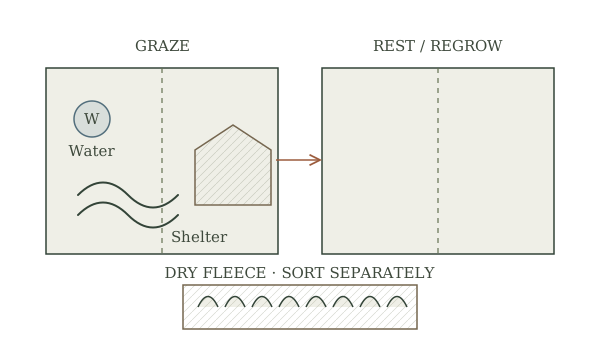
Inspect troughs at the point of drinking. Remove fouling and check flow, temperature exposure, freezing, and leaks. Watch a refill cycle rather than assuming a float valve works. Plan backup water for outages before an outage occurs.
- 03
Observe access
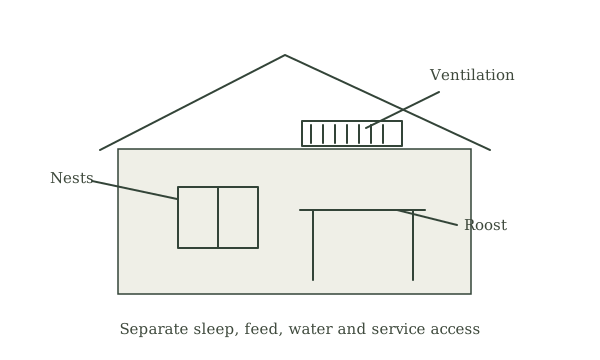
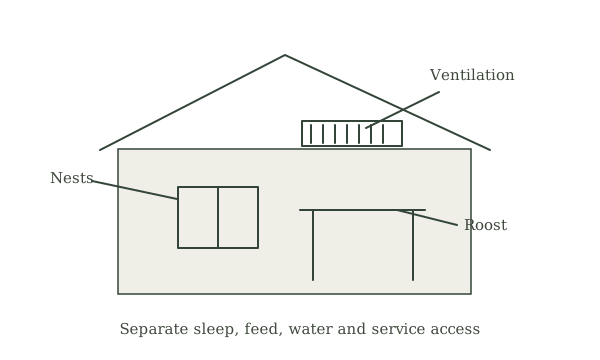
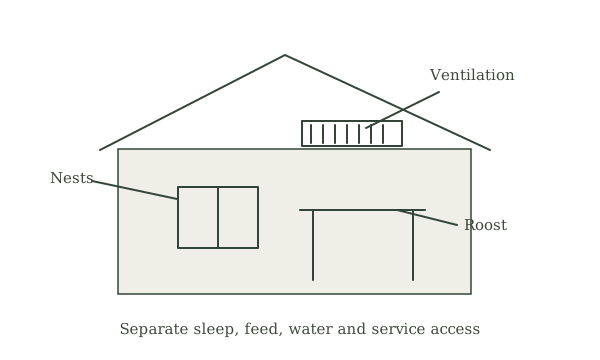
Stand back during feeding and note whether timid animals are pushed away. Provide enough usable feeding space according to your husbandry plan. Check that small animals can reach resources without falling into or becoming trapped in containers.
- 04
Store feed deliberately
Keep feed dry, protected from pests, and separated from chemicals. Label opening dates and use older stock first. Reject moldy or unknown feed. Make ration changes through an appropriate gradual transition rather than suddenly replacing the entire diet.
- 05
Record deviations
Track appetite, drinking behavior, manure changes, and body condition with your adviser. A daily checklist is useful because several small deviations can indicate a problem earlier than one dramatic sign. Escalate sudden refusal of food or water promptly.
Mistakes to avoid
- Assuming all minerals suit all species
- Judging water only from a distance
- Sudden feed changes
If it isn’t working
Trough stays full but animals drink poorly
Watch access and check cleanliness and supply quality.
Feed becomes damp
Find the leak and discard spoiled material.
Then & now
Historical context
Keeping animals tied household routines to reliable supplies of feed and water throughout the year.
The modern equivalent
Automatic feeders and waterers reduce labor but still need daily inspection.
Sources & review
Editorial draft — specialist review pending. Written 2026-09-20. Sources support the stated scope; this page has not been professionally certified.
- HSE — livestock handling ↗
Supporting reference; see the original for its complete procedure. Checked 2026-09-20.