Farming & Soil
Soil Testing
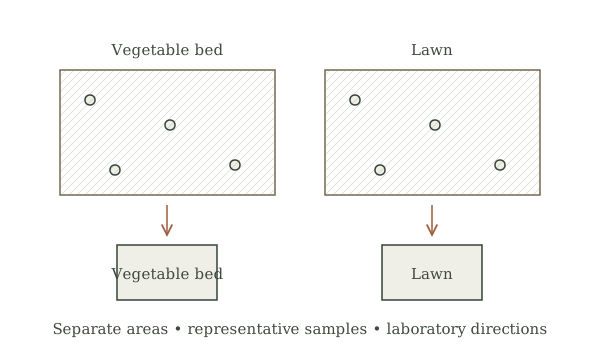
Collect a useful laboratory sample before deciding what to add to a garden bed.
The illustrated homestead · Field sheet 01
Twenty starting points for a more capable everyday life. Choose a picture, then open the complete field notes.
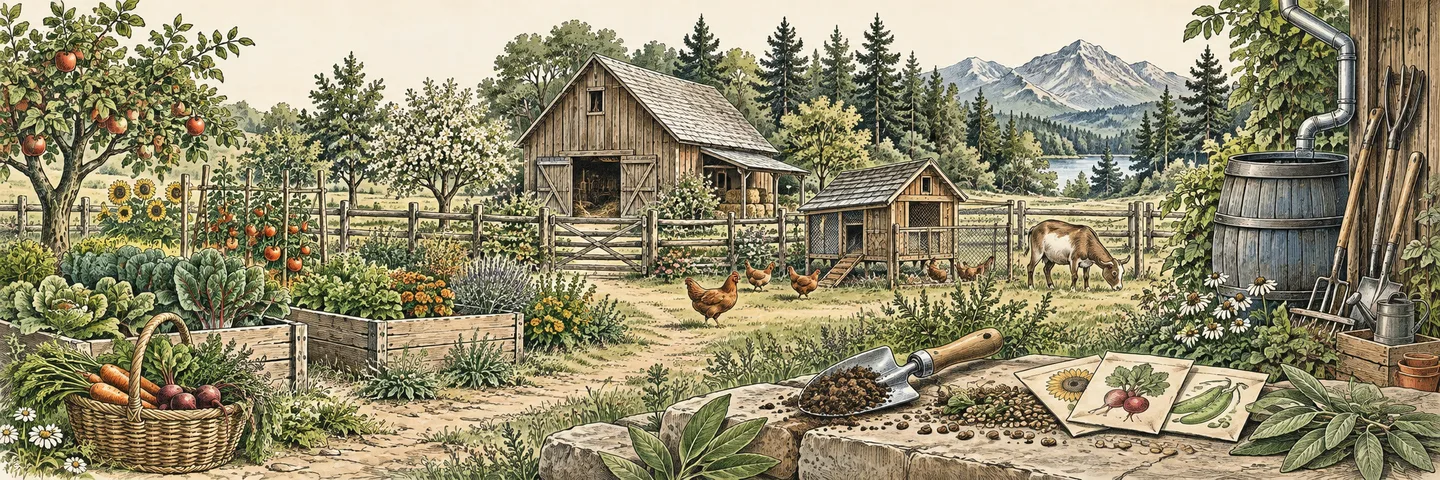
These illustrations introduce a topic. Read each guide’s method, safety limits and sources before trying the work.
Begin with the soil. Plan, grow and observe.
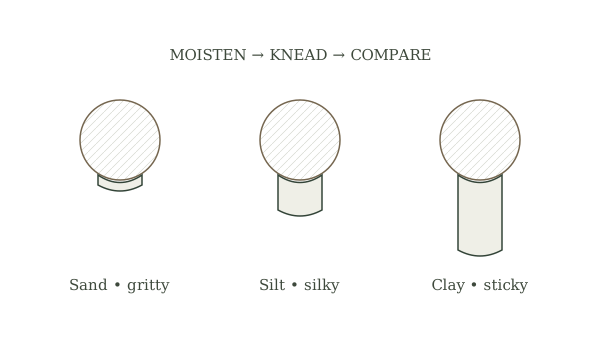
Learn to distinguish gritty sand, silky silt, and sticky clay with a small moist sample.
Open field notes →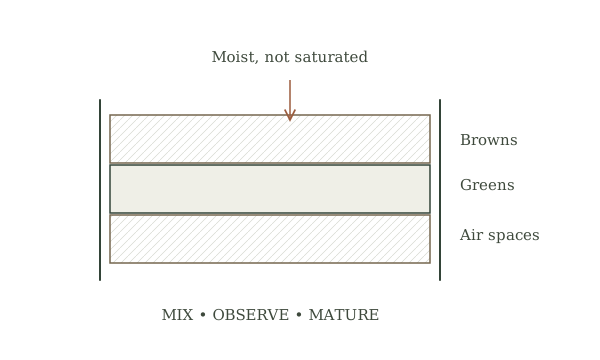
Turn clean plant residues into a stable soil amendment by managing air and moisture.
Open field notes →
Move plant families between beds to interrupt repeated host planting.
Open field notes →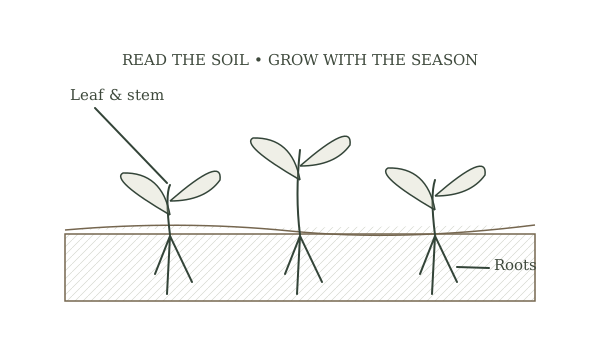
Begin with dry-seeded beans or peas and keep the plant’s identity with the seed.
Open field notes →
Understand a graft union, then practice the geometry on waste twigs before working on a tree.
Open field notes →Clean housing, daily attention and knowing when to ask for help.
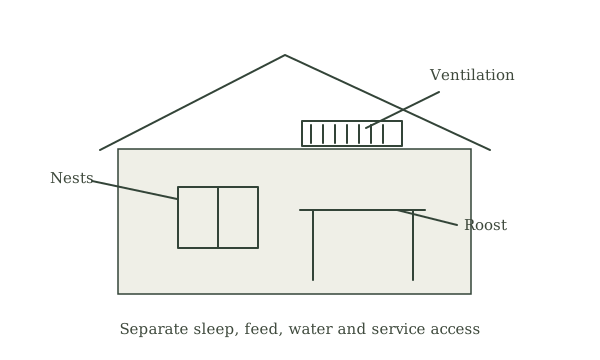
Plan dry sleeping space, clean nests, ventilation, and a secure run before buying birds.
Open field notes →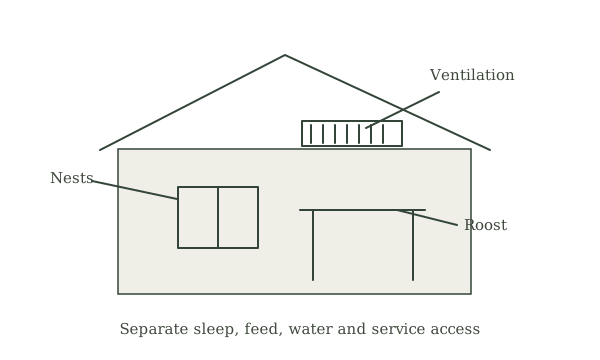
Collect clean, intact eggs promptly and maintain a reliable cold chain.
Open field notes →
Learn a calm, hygienic milking routine alongside an experienced keeper.
Open field notes →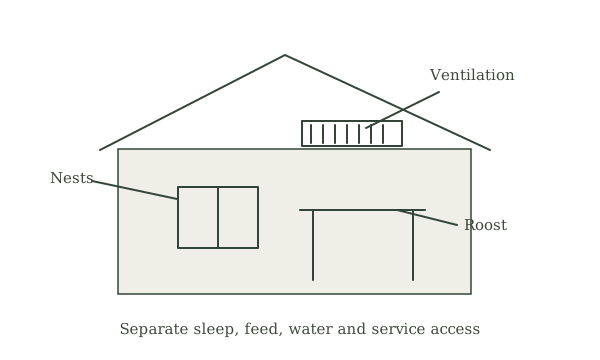
Build a daily resource check around each species and its stage of life.
Open field notes →
Recognize a change, protect people and other animals, and get veterinary direction.
Open field notes →Read the place before deciding what to change or take.
Clear a small area deliberately while retaining useful plants and stable ground cover.
Open field notes →
Learn how grain and a wedge work together, starting with manageable wood.
Open field notes →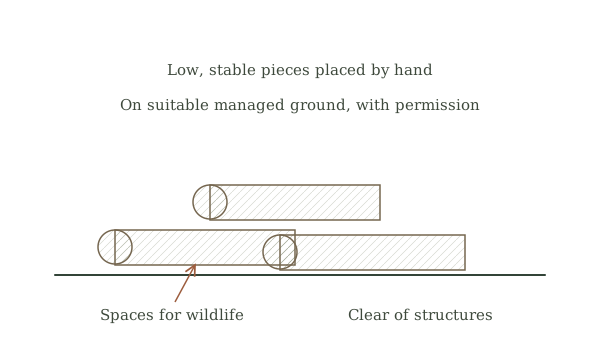
Plan a small, undisturbed refuge using suitable woody garden residues on managed private land.
Open field notes →
Understand why dry fine fibers ignite more readily than a large branch.
Open field notes →
Assess fallen wood as habitat first, then as material where collection is allowed.
Open field notes →Collect water, store food and look after useful tools.
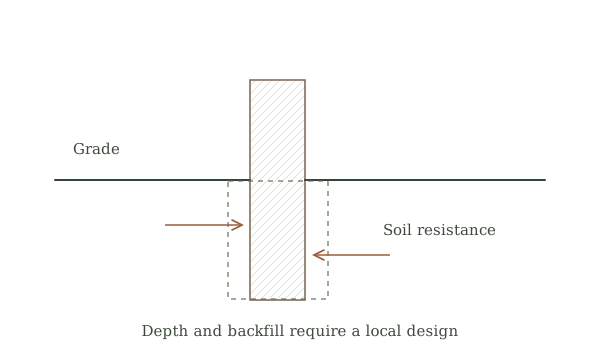
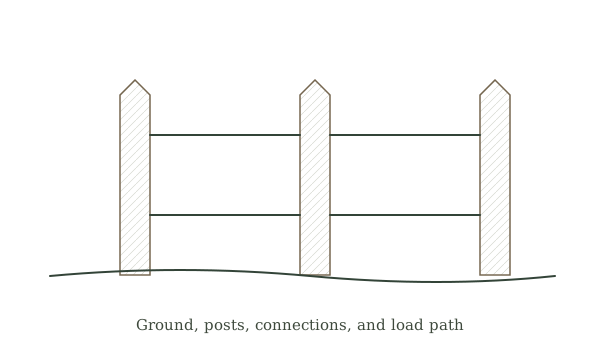
Plan a small fence post around soil, frost, wind, and the load it must carry.
Open field notes →
Plan a manufactured rain barrel for non-drinking uses, including support, overflow and maintenance.
Open field notes →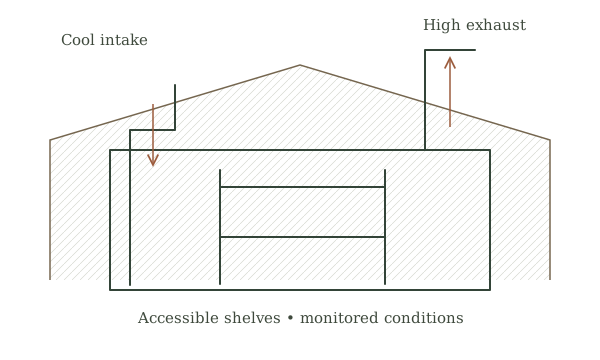
Match each crop to temperature, humidity, darkness, and airflow.
Open field notes →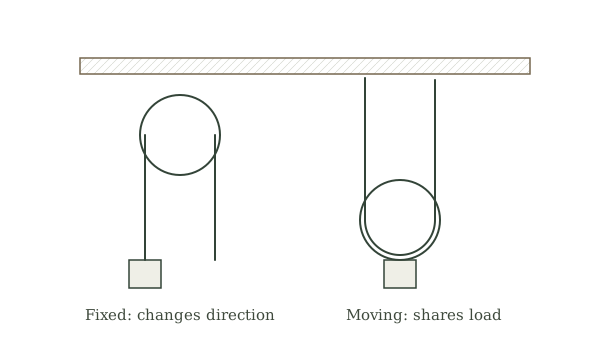
Understand mechanical advantage with an unloaded or very light tabletop model.
Open field notes →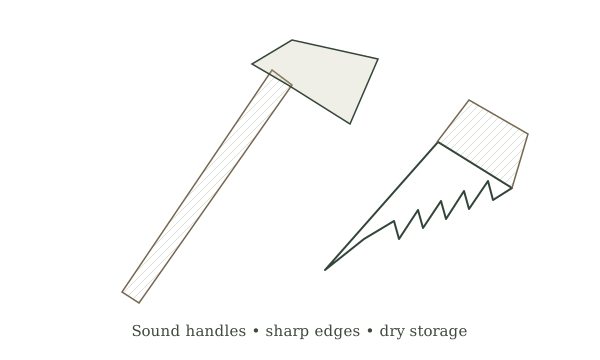
Build a short clean, inspect, protect, and store routine after each job.
Open field notes →The next chapter · Eight new guides
Follow soil testing → seed starting → hardening off → mulching, or start outside with observation, habitat and water.
Farming & Soil
Collect a useful laboratory sample before deciding what to add to a garden bed.
Farming & Soil
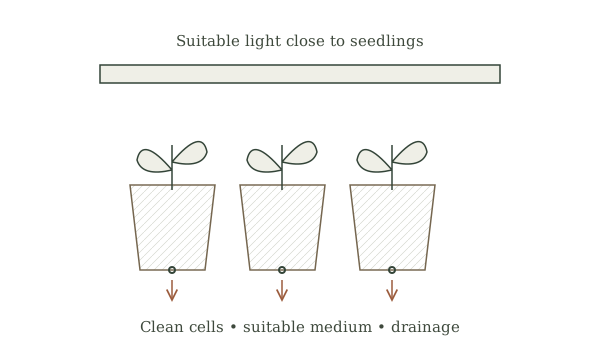
Raise a manageable first tray with labels, drainage and a clear plan for light.
Farming & Soil
Introduce indoor-grown plants to outdoor light, wind and temperature in gradual stages.
Farming & Soil
Cover a suitable bed deliberately, keeping plant stems clear and monitoring the soil beneath.
Land Management
Make a dated sketch of sun, water, access and hazards before changing the land.
Land Management
Plan a small, undisturbed refuge using suitable woody garden residues on managed private land.
Woodland Knowledge
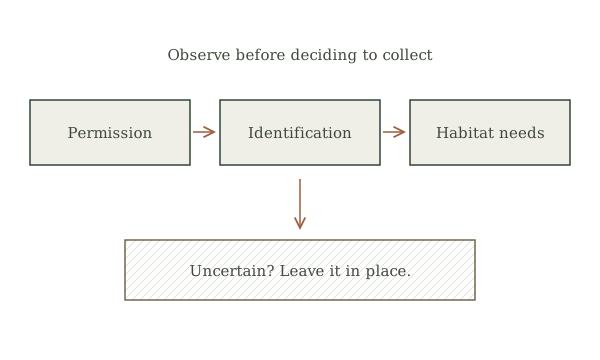
⚠ Specialist review neededDecide whether collection is appropriate before taking any woodland material.
Water
⚠ Specialist review neededPlan a manufactured rain barrel for non-drinking uses, including support, overflow and maintenance.