Why it matters
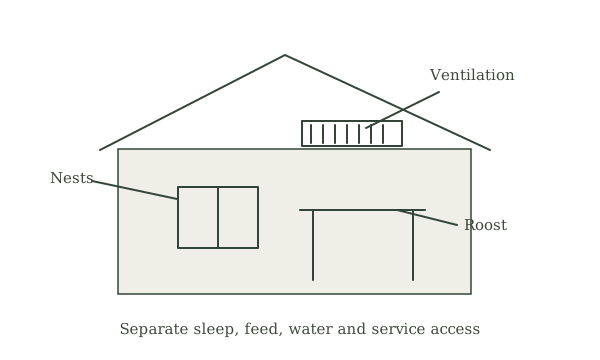
A hutch is only one part of a rabbit’s environment. Rabbits need space for movement, secure places to withdraw and a keeper who notices changes promptly. Heat planning starts with the site: an enclosure that is shaded at breakfast may be exposed by afternoon.
What you’ll need
Tools
- Enclosure thermometer
- Cleaning brush
- Notebook
Materials
- Dry bedding
- Fresh drinking water
- Safe hiding places
- Secure shelter and attached exercise area
Before you begin
Safety & limits
- Suspected heatstroke, collapse, breathing distress or reduced eating or droppings require immediate veterinary advice. Move a heat-affected rabbit to a cool shaded place while contacting the vet.
- Keep rabbits away from vehicle exhaust, chemicals and accessible electrical cables. Do not use other animals’ medicines on them.
Work carefully, in order
The method
- 01
Plan usable space
Plan shelter and an attached secure exercise area together. Rabbits should be able to stretch, run and stand upright without their ears touching the roof. RSPCA recommends at least 3 × 2 metres and 1 metre high for two medium rabbits, including shelter and exercise space; larger animals need an appropriate adjustment. A compatible rabbit companion and bonding advice belong in the plan.
- 02
Check the enclosure from ground to roof
Look for routes that rabbits could dig out through and predators could enter. Check strong mesh, fastenings and roof security. Use comfortable non-slip resting surfaces rather than exposed wire flooring. Provide hiding places with more than one opening, while leaving clear space to move. Verify that every part can be reached for cleaning without dismantling the enclosure.
- 03
Map the day’s heat
Visit the enclosure in the morning and again during the hottest part of the day. Record where shade falls and measure conditions near the animals. Maintain ventilation and an accessible shaded refuge. Do not use a greenhouse or conservatory as summer housing. Decide in advance where the rabbits could be moved safely if the usual space becomes too hot.
- 04
Check water and cleanliness
Provide fresh water continuously and verify that bottles actually dispense or bowls remain upright and clean. Remove wet and soiled bedding, and clean the toilet area daily. In warm weather check the rear and tail area twice daily for soiling or signs of flystrike. Record any problem so a second keeper does not assume someone else has dealt with it.
- 05
Learn each rabbit’s normal behavior
Observe eating, drinking, movement and droppings every day. A quiet rabbit is not necessarily content, particularly if its behavior has changed. Keep veterinary contact details with the care record and arrange a capable relief keeper for absences. Reduced eating or droppings should trigger an immediate call, not a trial of a household remedy or a wait until the next routine clean.
Mistakes to avoid
- Judging shade from a single morning visit.
- Treating a full water bottle as proof that its nozzle works.
If it isn’t working
The enclosure heats up despite shade
Check airflow and surrounding heat-retaining surfaces. Use the planned cooler accommodation and seek advice on a permanent improvement.
A normally active rabbit stops eating
Contact the veterinarian immediately and describe the change, timing and droppings. Do not delay while trying unprescribed treatments.
Then & now
Historical context
Compact hutches made feeding and collection convenient for people. A modern welfare assessment also asks what movement, choice and social contact the enclosure permits the animals.
The modern equivalent
Purpose-built runs and monitoring thermometers can help. A thermometer cannot replace checking the animals themselves.
Sources & review
Editorial draft — specialist review pending. Written 2026-09-21. Sources support the stated scope; this page has not been professionally certified.
- RSPCA — rabbit environment ↗
Space, secure housing, non-wire resting floors and hiding places. Checked 2026-09-21.
- RSPCA — summer care for rabbits and rodents ↗
Moving shade, ventilation, heat prevention and urgent veterinary contact. Checked 2026-09-21.
- RSPCA — rabbit health ↗
Water, daily checks, flystrike awareness and changes in appetite or droppings. Checked 2026-09-21.