Why it matters
New birds create two different problems: they may carry infection, and they must find a place in an existing social group. A mesh divider can help birds become familiar with each other, but it is not a quarantine barrier. Plan the two stages separately before buying birds.
What you’ll need
Tools
- Separate feeders and drinkers
- Dedicated cleaning equipment
- Notebook
Materials
- Separate quarantine housing
- Secure introduction partition
Before you begin
Safety & limits
- Do not introduce birds during illness or movement restrictions. Seek current local animal-health advice; unexplained deaths or respiratory signs warrant prompt reporting to a veterinarian or animal-health authority.
- This guide concerns compatible growing or adult chickens. Do not put newly hatched chicks into an unfamiliar adult flock.
Work carefully, in order
The method
- 01
Decide whether the flock has capacity
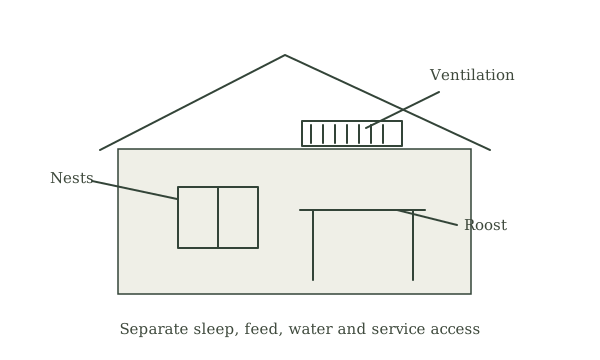
Count usable shelter, roosting space and feeding positions before arranging a purchase. Write down the new birds’ source, age and health history. Choose birds of compatible size and needs, and ask a poultry adviser about suitability. Keep the seller’s contact information and agree who will care for the separate group each day.
- 02
Keep newcomers physically separate
CDC recommends at least 30 days of separation before introduction. Use separate housing and equipment with a biosecurity arrangement agreed with your veterinarian; an adjacent wire pen is not enough for this stage. Care for the resident flock first, then newcomers, and clean hands and change or clean dedicated footwear and clothing between groups. A calendar alone cannot certify health.
- 03
Keep a useful quarantine record
Record appetite, drinking, behavior and any visible changes each day. Note when a change began rather than simply writing “unwell.” Contact the veterinarian if illness appears and postpone introduction. Follow their advice on examination, testing and the eventual end of separation. Do not administer leftover medicine to conceal signs or make a scheduled introduction possible.
- 04
Introduce sight before contact
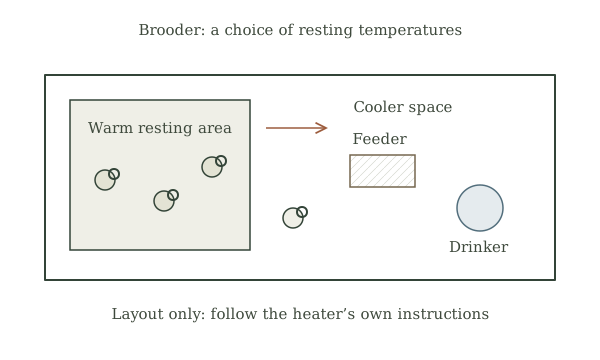
After the health-separation stage, use a secure partition in the introduction area so birds can see each other without fighting. Provide separate food and water on both sides. Penn State recommends at least a week of this familiarization for backyard flocks. Check the divider for trapping points and give each side adequate shelter; this is social preparation, not continued disease isolation.
- 05
Supervise the first shared access
Choose a time when an adult keeper can remain present. Provide more than one feeding and drinking position, with room to move away. Some pecking can occur, but sustained chasing, injury or exclusion from resources means separate the birds again and seek advice. Check that every bird eats and settles afterward. Keep a fallback pen ready instead of relying on the flock to resolve harmful aggression.
Mistakes to avoid
- Calling a neighboring mesh pen quarantine.
- Adding birds at night and assuming the following day needs no supervision.
If it isn’t working
A bird is repeatedly kept from water
Separate safely and review resource placement, space and compatibility before another supervised attempt.
Symptoms appear near the end of separation
Postpone introduction and contact the veterinarian. Do not treat the original end date as clearance.
Then & now
Historical context
Small flocks were often replenished through neighbors and markets. That convenience also connects flocks through birds, transport crates and footwear. Modern biosecurity makes those connections visible and manageable.
The modern equivalent
Tested sourcing and a veterinary flock-health plan reduce uncertainty, but neither removes the need to watch social behavior.
Sources & review
Editorial draft — specialist review pending. Written 2026-09-21. Sources support the stated scope; this page has not been professionally certified.
- CDC — backyard poultry ↗
At least 30 days of separation, dedicated equipment and resident-flock-first care. Checked 2026-09-21.
- Penn State Extension — poultry cannibalism prevention and treatment ↗
Gradual partitioned introduction, compatible birds and pecking risk; indexed source text checked. Checked 2026-09-21.
- USDA APHIS — Defend the Flock ↗
Disease prevention and reporting unusual illness. Checked 2026-09-21.