Why it matters
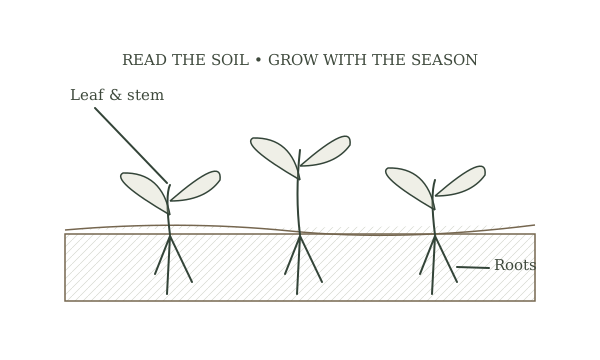
Tomatoes need adequate light, a suitable season and consistent moisture. The variety's growth habit determines support and pruning, while cold soil and frost can undo a promising early planting.
What you’ll need
Tools
- Trowel
- Sturdy cage or trellis
- Watering can
Materials
- Locally adapted transplants
- Mulch
Before you begin
Safety & limits
- Use locally appropriate seed and planting dates. Check labels before using any garden input; wash harvested produce and follow local food-safety guidance.
Work carefully, in order
The method
- 01
Choose a suitable variety
Check local frost dates and expected season length, then compare determinate and indeterminate growth habits. Select a disease-resistant cultivar if local problems recur.
- 02
Prepare the site
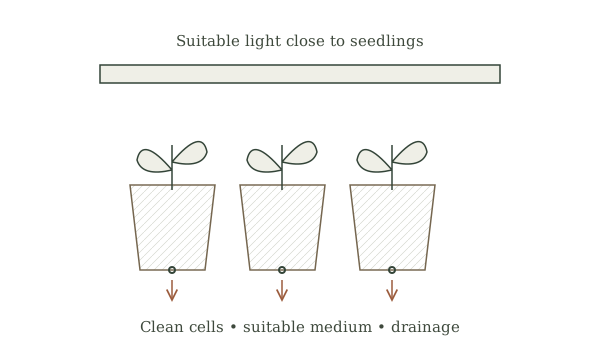
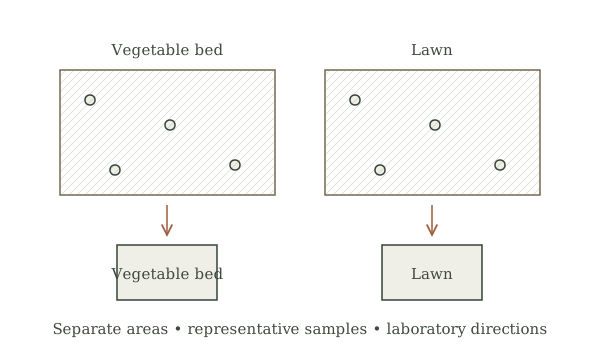
Choose a sunny, well-drained bed and review a soil test before amending. Set out hardened transplants only when the local weather and soil are suitable.
- 03
Set support early
Install a stable cage or trellis while plants are small, allowing the specified spacing and airflow. Avoid injuring mature roots by driving stakes later.
- 04
Water and observe
Water the root zone consistently and mulch after the soil has warmed. Watch leaves, stems and fruit for changes; use local extension diagnostics before treating a suspected disease.
- 05
Harvest and record
Pick fruit at the maturity recommended for its use, keeping damaged produce separate. Record cultivar, planting date, weather and yield to improve next season's choices.
Mistakes to avoid
- Following a date from a different climate without checking soil and weather
- Crowding plants beyond the variety's stated spacing
- Treating every yellow leaf as a need for more fertilizer
If it isn’t working
Growth stalls
Check soil moisture, recent temperature and the crop's preferred season before changing fertilizer.
Leaves show damage
Identify the pest or disease with local extension guidance rather than applying an unverified treatment.
Then & now
Historical context
Home gardeners historically saved seed and selected productive plants; modern disease-resistant cultivars and extension diagnostics refine those choices.
The modern equivalent
Current extension guides and locally adapted cultivars add measured soil, climate and pest information to observation in the garden.
Sources & review
Editorial draft — specialist review pending. Written 2026-09-27. Sources support the stated scope; this page has not been professionally certified.
- UMN Extension — Growing tomatoes ↗
Crop-specific extension guidance; adjust timing and cultivar to the local season. Checked 2026-09-27.
- UMN Extension — Planting the vegetable garden ↗
Crop-specific extension guidance; adjust timing and cultivar to the local season. Checked 2026-09-27.