Food Preservation
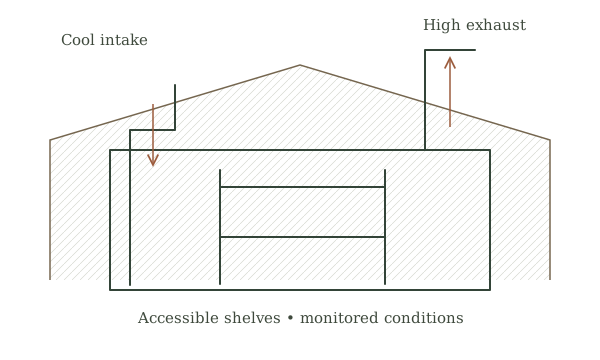
⚠ Specialist review neededRoot Cellar Storage
Match each crop to temperature, humidity, darkness, and airflow.
Field 03 / 21
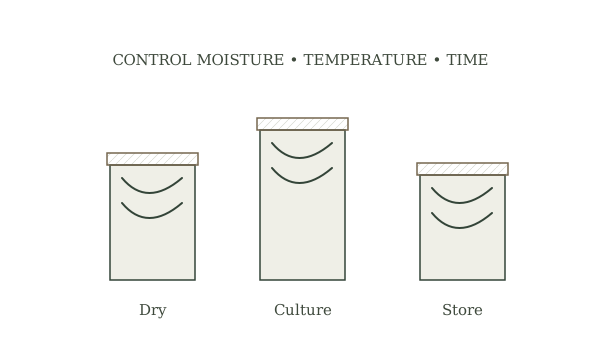
Control moisture, temperature, acidity, and time with tested methods.
36 written entries · 45 planned topics
Food Preservation
⚠ Specialist review neededMatch each crop to temperature, humidity, darkness, and airflow.
Food Preservation
⚠ Specialist review neededUse controlled warmth and moving air to remove moisture, then prevent its return.
Food Preservation
⚠ Specialist review neededUse a tested sauerkraut method to understand salt, submersion, temperature, and time.
Food Preservation
⚠ Specialist review neededLearn to feed and observe an established starter before trying to bake by the clock.
Food Preservation
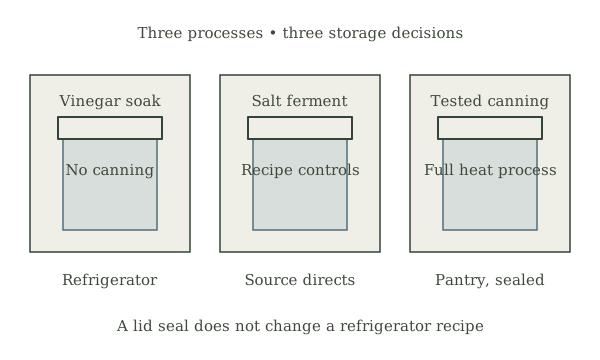
⚠ Specialist review neededDistinguish vinegar pickles from fermentation and choose a tested method for the intended storage.
Food Preservation
⚠ Specialist review neededChoose the correct tested process before putting any food in a jar.
Food Preservation
⚠ Specialist review neededArrange clean equipment and a sensible work sequence before processing a harvest or preparing a meal.
Food Preservation
⚠ Specialist review neededMeasure the relevant part of the food, wait for a stable reading and compare it with the correct guidance.
Food Preservation
⚠ Specialist review neededConnect each container to a dated record of what it contains, how it was prepared and where it belongs.
Food Preservation
⚠ Specialist review neededPrepare useful portions, protect them in the freezer and plan refrigerator thawing before you need them.
Food Preservation
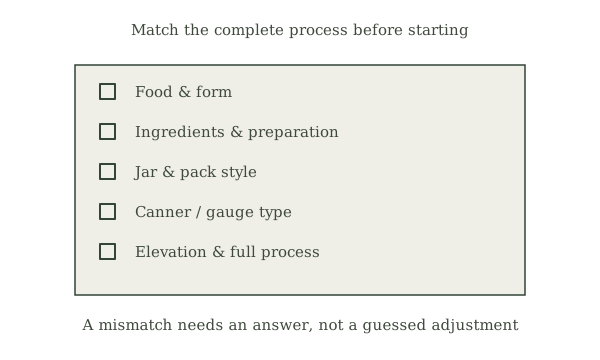
⚠ Specialist review neededCheck that a preservation process matches the food, ingredients, equipment and storage you actually intend to use.
Food Preservation
⚠ Specialist review neededMake a small refrigerated vinegar pickle while keeping its storage needs distinct from canned and fermented pickles.
Food Preservation
⚠ Specialist review neededRead a tested fermentation recipe’s salt basis and measure it without confusing dry salting with a wet brine.
Food Preservation
⚠ Specialist review neededFollow a published cabbage fermentation process, from sound heads and measured salt to submersion, monitoring and storage.
Food Preservation
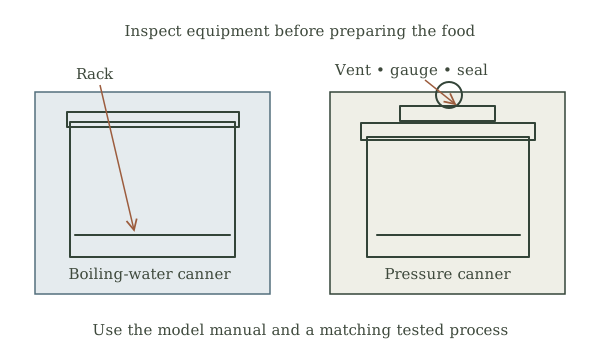
⚠ Specialist review neededInspect jars, lids, racks and canner parts before selecting a tested process for the food.
Food Preservation
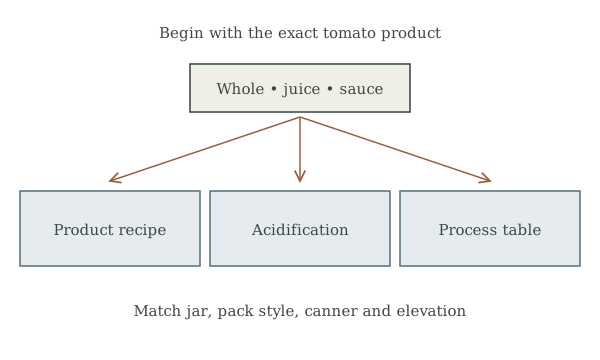
⚠ Specialist review neededIdentify the tomato product, required acidification and tested processing table before filling jars.
Food Preservation
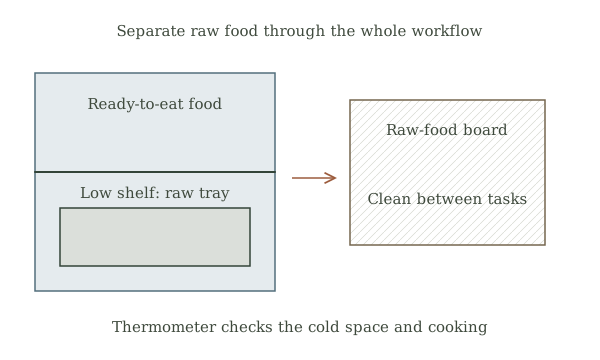
⚠ Specialist review neededReceive, chill, separate and prepare raw meat and poultry without spreading raw juices around the kitchen.
Food Preservation
⚠ Specialist review neededKeep purchased or caught fish cold, inspect it, prepare it cleanly and decide promptly whether to cook or freeze.
Food Preservation
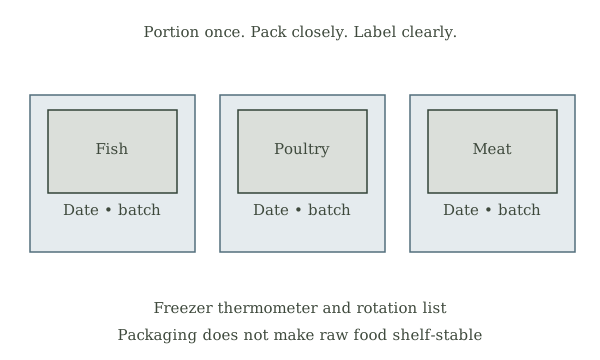
⚠ Specialist review neededPack raw meat and fish in usable portions, label each batch and maintain the freezer cold enough for quality and safety.
Food Preservation
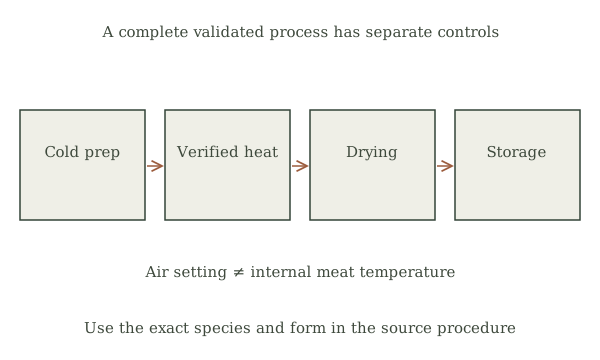
⚠ Specialist review neededRead a validated meat-specific jerky process and identify the roles of preparation, lethality, drying and storage.
Food Preservation
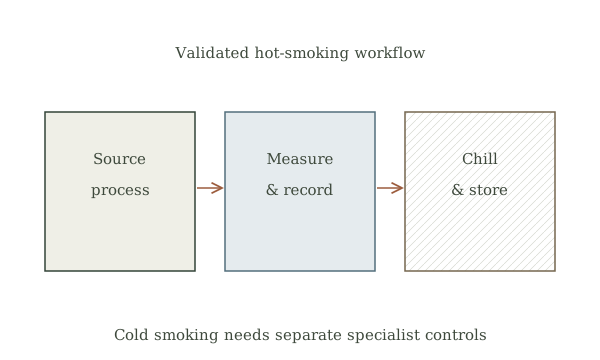
⚠ Specialist review neededUnderstand what smoke contributes, what heat must accomplish and why cold-smoked products need separate validated controls.
Food Preservation
⚠ Specialist review neededInspect, package and rotate dry grains and legumes so moisture and insects do not quietly ruin the pantry.
Food Preservation
⚠ Specialist review neededMap pantry shelves, record what is actually present, and use sound older lots before opening new ones.
Food Preservation
⚠ Specialist review neededFind the infested package, remove contaminated food, clean shelves and prevent a repeat infestation.
Food Preservation
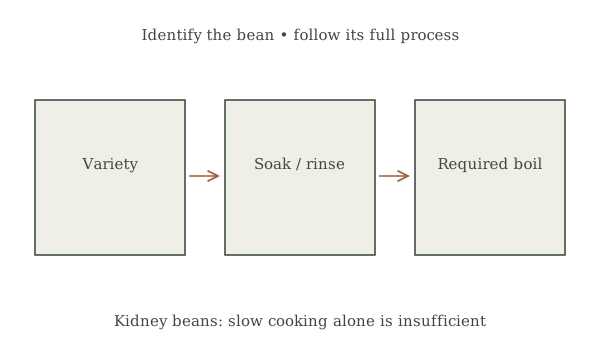
⚠ Specialist review neededSort and prepare dried beans while treating kidney bean lectins and slow cooking as a specific safety concern.
Food Preservation
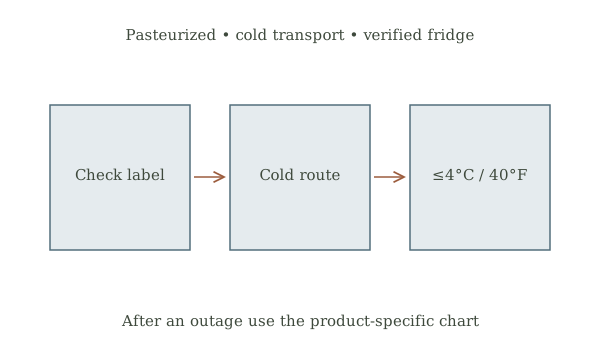
⚠ Specialist review neededChoose pasteurized dairy, keep its cold chain intact and make product-specific decisions after a temperature lapse.
Food Preservation
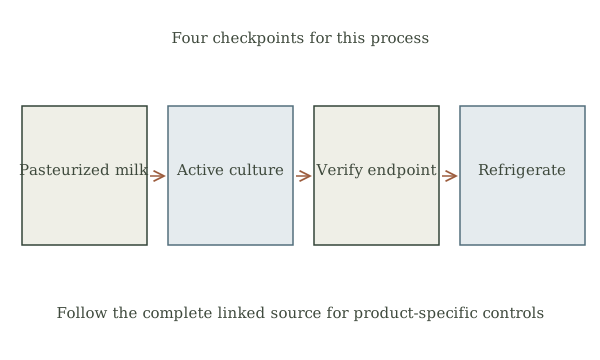
⚠ Specialist review neededFollow a complete extension yogurt process from pasteurized milk and active culture through a verified endpoint and refrigeration.
Food Preservation
⚠ Specialist review neededUnderstand cultured cream and churning as separate controlled stages, with pasteurized cream and refrigerated finished butter.
Food Preservation
⚠ Specialist review neededChoose a specific fresh cheese recipe and keep milk, utensils, curds and finished cheese under the process’s cold-chain controls.
Food Preservation
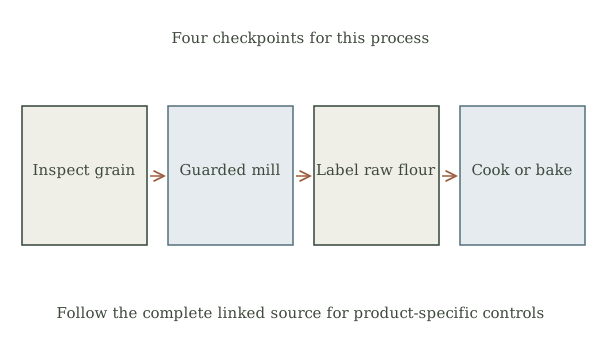
⚠ Specialist review neededInspect food-grade grain, match it to the mill, grind a manageable amount and store flour with its raw-food status clear.
Food Preservation
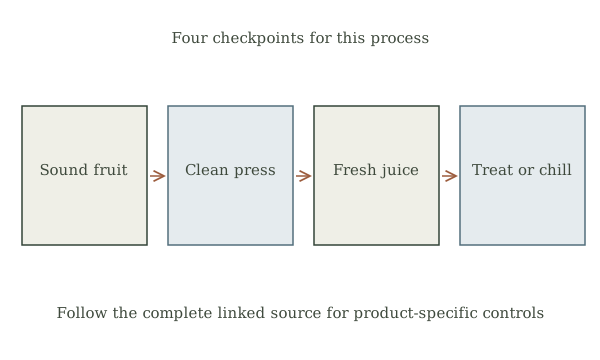
⚠ Specialist review neededSort and wash suitable fruit, use a clean press, and distinguish fresh unpasteurized juice from a validated preserved product.
Food Preservation
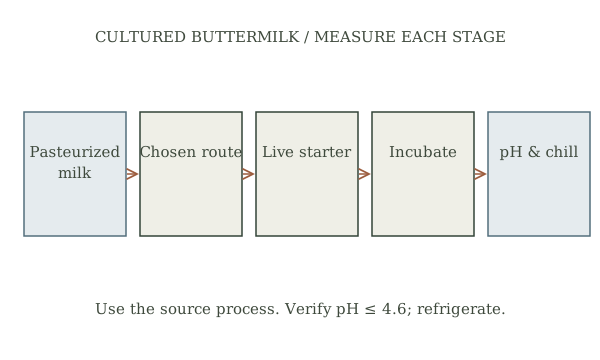
⚠ Specialist review neededFollow a published starter-culture process, measure the acid endpoint and refrigerate the finished buttermilk.
Food Preservation
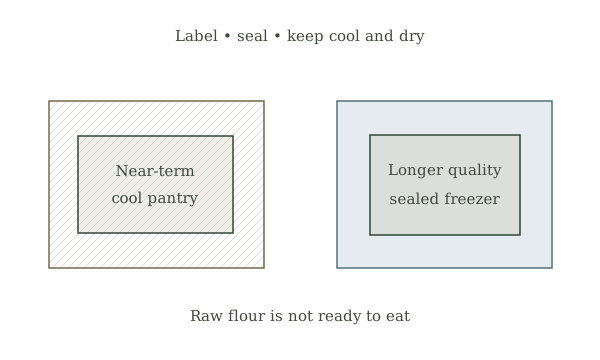
⚠ Specialist review neededSeal, label and keep whole grain flour away from heat and moisture, using freezer storage for longer quality.
Food Preservation
⚠ Specialist review neededApply a complete validated hot-smoking plan and recognize when a proposed cold-smoked product needs specialist controls.
Food Preservation
⚠ Specialist review neededChoose a tested fruit spread process and understand how fruit, sugar, acid, pectin and jar processing fit together.
Food Preservation
⚠ Specialist review neededRecognize visible warning signs while remembering that unsafe food can look, smell and taste normal.
Try a broader term or reset your filters. Planned topics are listed separately in the editorial catalog.
Explore all written skills →See written and planned topics in the catalog for this field →